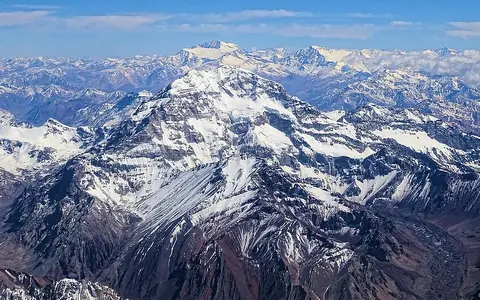
Aconcagua
A high Andean mountain with uplifted rock, arid relief, and glaciers. The record identifies Aconcagua as a mountain, not a volcano; it is included here for comparison.
The volcanoes hub organizes volcanic landforms by cone type, magma setting, lava morphology, caldera structure, island building, eruption deposits, and plate-margin context.
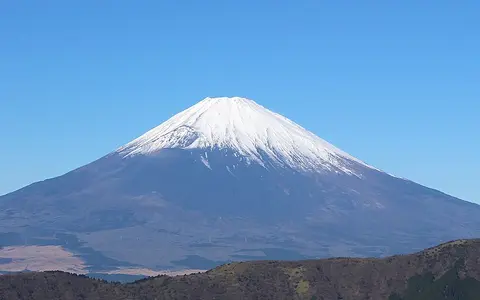
Compare cone shapes, summit craters, lava-built slopes, eruption deposits, and regional settings in the linked records. Start with Mount Fuji’s symmetrical cone and summit crater, Mauna Loa’s broad lava slopes and rift zones, or Santorini’s flooded caldera and island-ring cliffs.
A high Andean mountain with uplifted rock, arid relief, and glaciers. The record identifies Aconcagua as a mountain, not a volcano; it is included here for comparison.
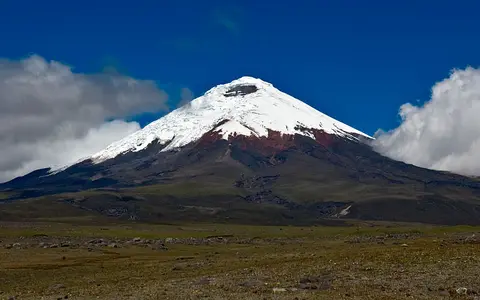
Ecuadorian Andes: an ice-capped volcanic cone with crater structure and lahar channels.
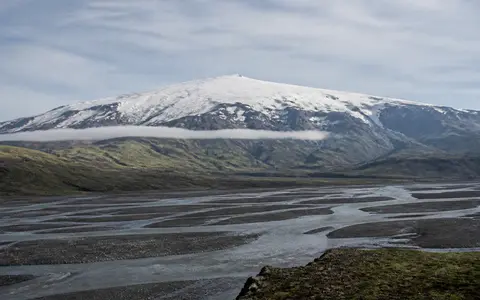
Southern Iceland’s Eastern Volcanic Zone setting: an ice-filled summit caldera, outlet-glacier valleys, and jökulhlaup pathways.
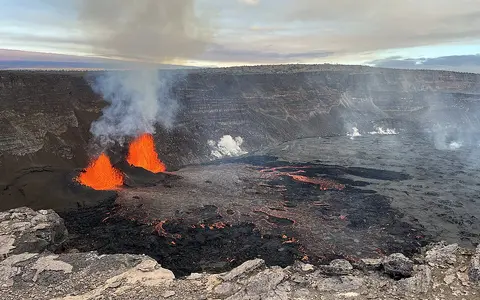
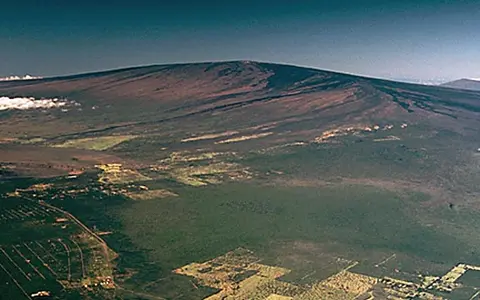
Hawaii: a shield volcano with a summit caldera, rift zones, and basalt lava fields.
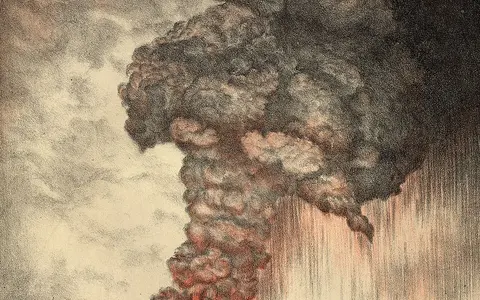
Sunda Strait: a caldera with island remnants, crater collapse, and volcanic island rebuilding.
Hawaii: a shield volcano with broad lava slopes, rift zones, and a summit caldera.
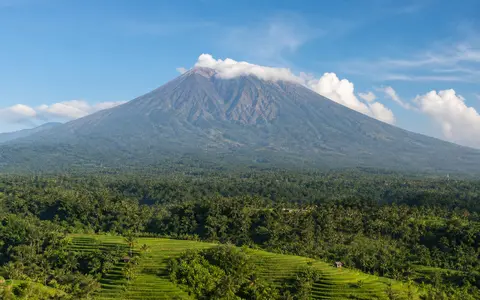
Eastern Bali, Sunda Arc: a volcano with a high summit ridge, steep-walled crater, and lahar pathways.
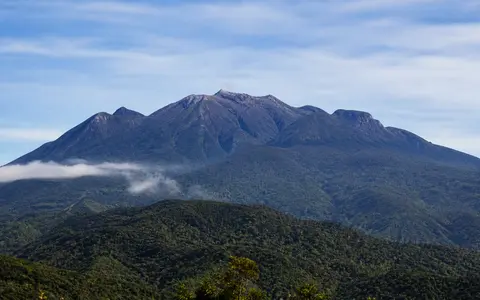
Southern Mindanao: overlapping volcanic edifices, a broad three-peak summit, and solfataras.
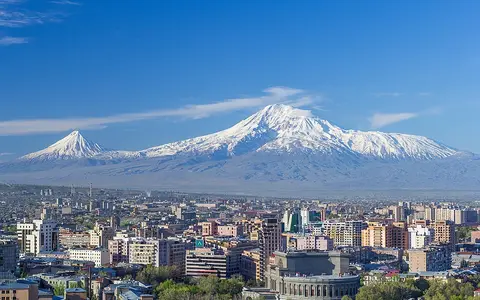
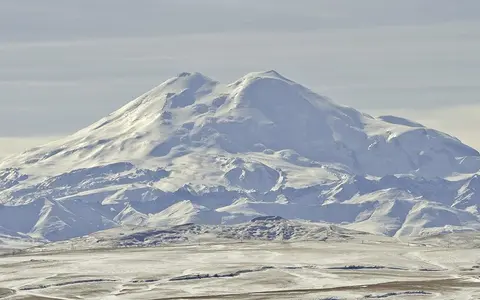
Eastern Anatolian highlands: a compound volcanic massif with twin cones, flank vents and lava fields, and summit ice.
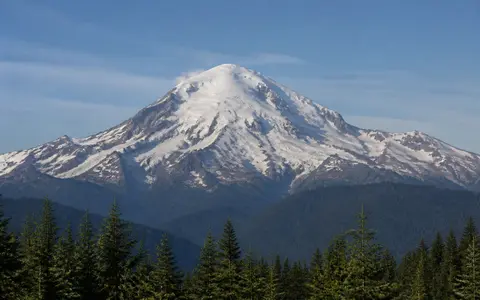
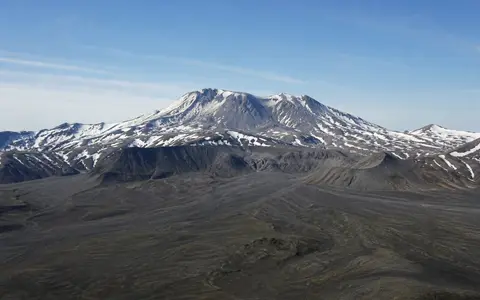
North Cascades: a heavily glaciated stratovolcano with two craters, Nooksack and Skagit headwaters, and lahar valleys.
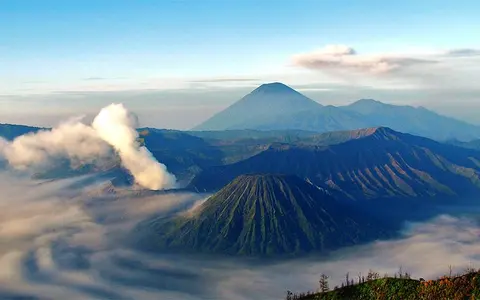
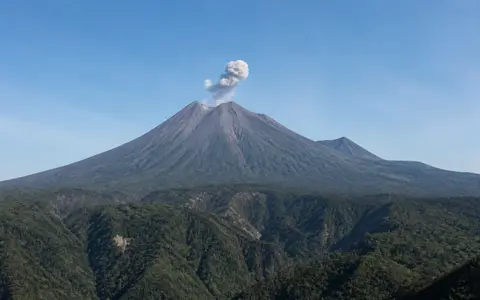
East Java, Sunda Arc: an active pyroclastic cone on the Tengger caldera floor, with a summit crater and ash deposits.
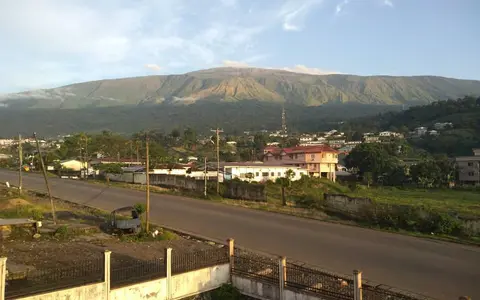
Cameroon Line, with Gulf of Guinea rainfall: a steep coastal stratovolcano with fissure vents, cinder cones, and basaltic lava fields.
Greater Caucasus: a twin-summit volcanic massif with broad lava-built flanks and extensive glaciers.
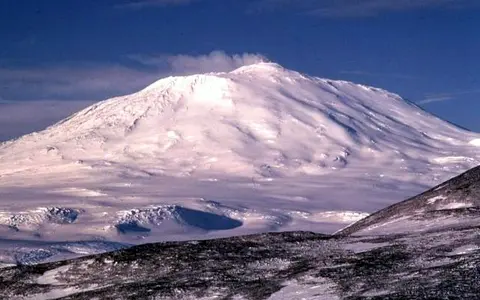
Ross Island, West Antarctic rift: an active stratovolcano with a caldera platform, summit crater and phonolite lava lake, and glaciated flanks.
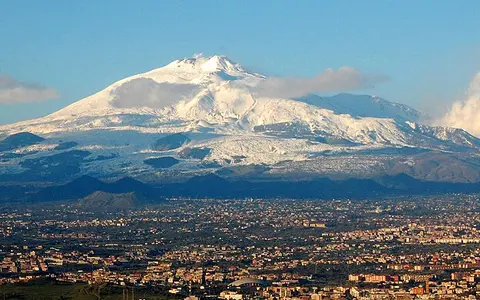
Sicily, at Mediterranean plate margins: a volcano with flank vents, lava fields, and summit craters.
Japan’s island-arc setting: a symmetrical volcanic cone with a summit crater and lava and ash deposits.
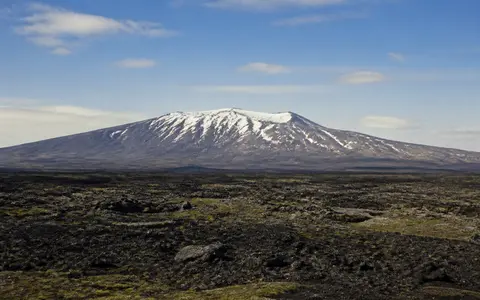
Southern Iceland: a stratovolcano with an elongated summit fissure and lava-built flanks in a rift-transform setting.
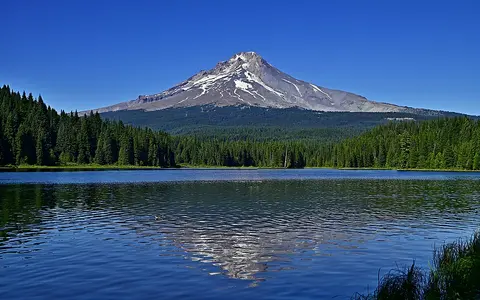
Oregon’s Cascade arc: a glaciated andesite-dacite stratovolcano with radial river valleys and lahar deposits.
Aleutian Range, in a North Pacific climate: a lake-filled summit caldera, glacially cut flanks, and a 1912 collapse linked to Novarupta.
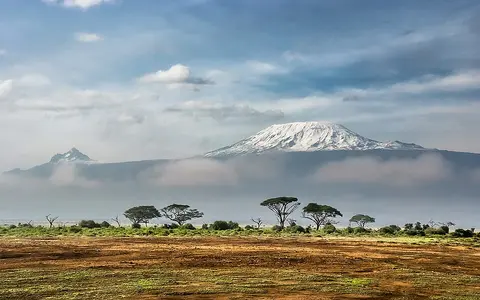
East African Rift: a three-cone volcanic massif with Kibo's summit caldera, eroded Mawenzi and Shira terrain, and equatorial ice fields.
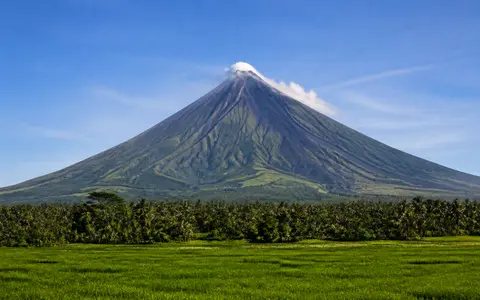
Albay, in the Philippine Trench setting: a steep stratovolcanic cone, small summit crater, and radial ravines.
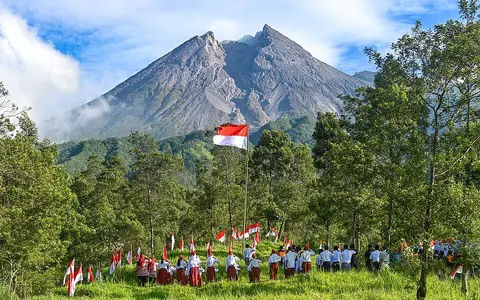
Java, Sunda Arc: a volcano with a summit lava dome, steep radial ravines, and pyroclastic deposits.
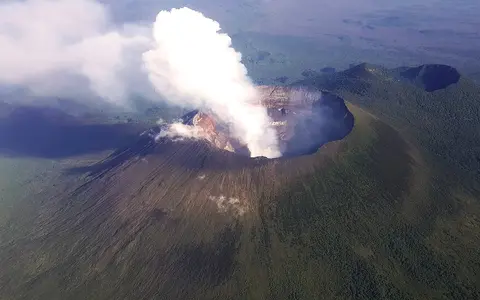
East African Rift, Lake Kivu basin: a steep volcano with a broad, internally terraced summit crater, flank fissures, and fluid lava flows.
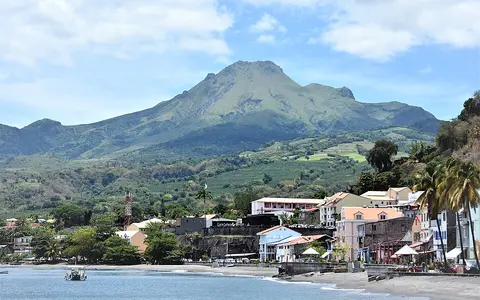
Martinique in the Lesser Antilles island arc: a stratovolcano with summit lava domes, collapse scarps, and ravine-cut pyroclastic slopes.
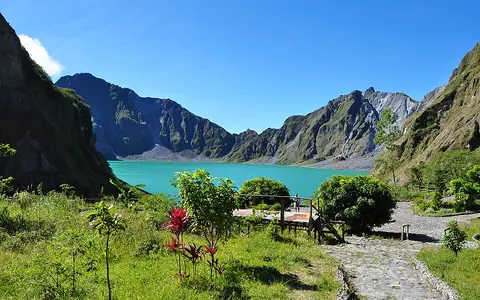
Luzon, Philippines: a volcano with a collapsed summit caldera and crater lake, pyroclastic deposits, and lahar valleys.
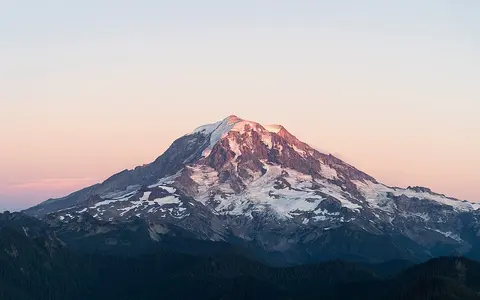
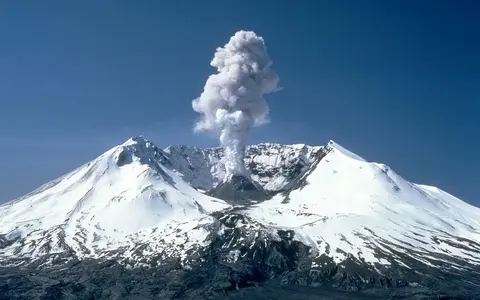
Cascade arc: a glacier-covered stratovolcanic cone with summit craters and lahar valleys.
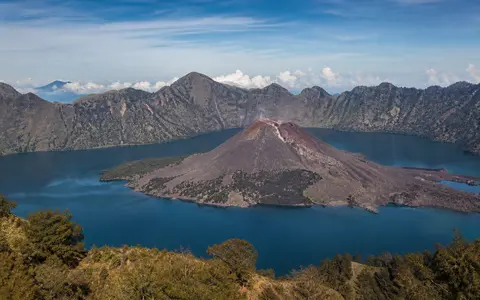
Northern Lombok, Sunda Arc: a high eastern summit, Segara Anak caldera and lake, and Barujari cone.
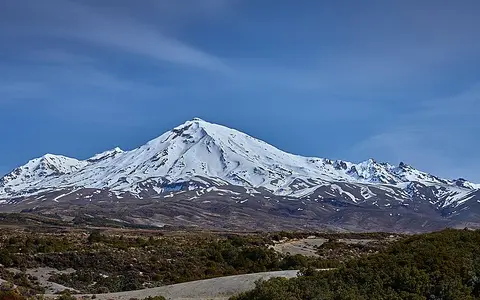
North Island, Taupō Volcanic Zone: a glaciated stratovolcano with a multi-peak summit, active crater lake, and lahar valleys.
East Java’s Tengger–Semeru setting: Mahameru summit, Jonggring-Seloko crater, and a southeast-facing summit scar.
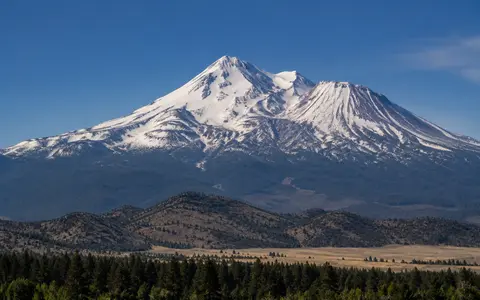
Northern California’s southern Cascade arc: a compound stratovolcano with overlapping cones, summit glaciers, and volcanic aprons.
Cascades: a volcano with a breached crater, debris-avalanche terrain, and lava dome growth.
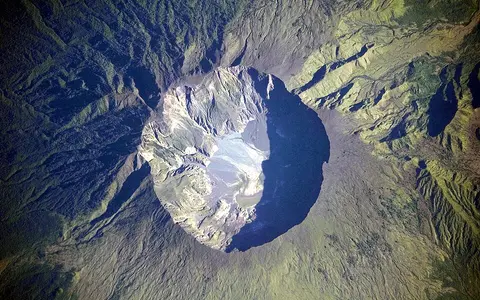
Indonesia’s Sanggar Peninsula: a volcano with a deep caldera, pyroclastic deposits, and radial drainage.
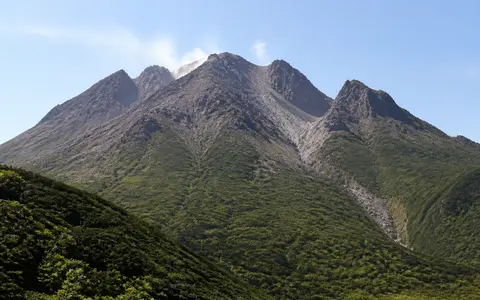
Central Kyushu’s Shimabara Peninsula: a volcanic complex with young lava domes, fault-bounded uplands, and collapse deposits.
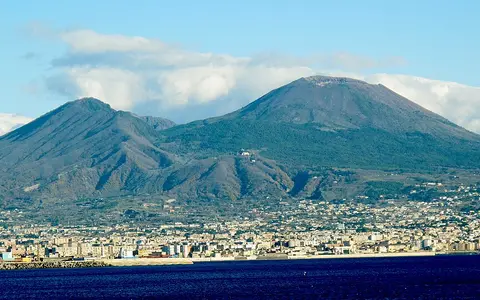
Campania’s Bay of Naples setting: a volcanic cone, caldera structure, and ash deposits.
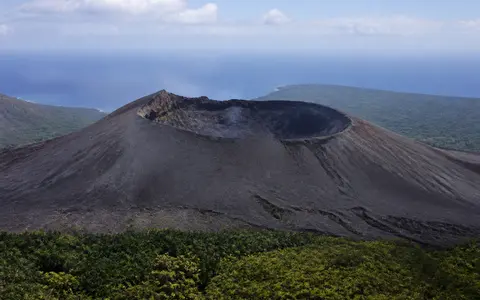
Southeastern Tanna in the Vanuatu arc: a scoria cone, compound summit crater, and caldera-floor ash plain.
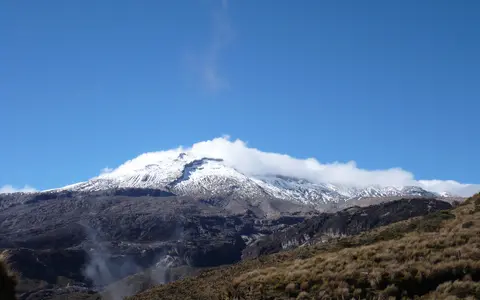
Colombian Andes, Northern Volcanic Zone: a glacier-capped stratovolcano with Arenas crater and lahar valleys.
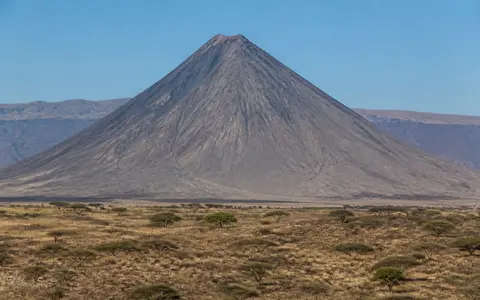
Northern Tanzania’s Lake Natron rift setting: a stratovolcano with twin summit craters, natrocarbonatite lava, and seasonal radial drainage.
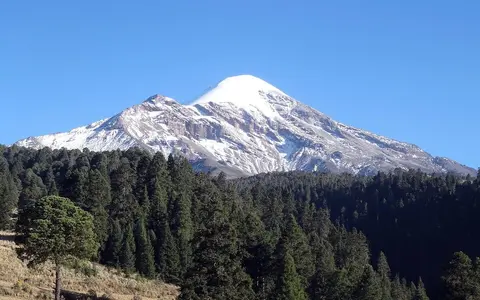
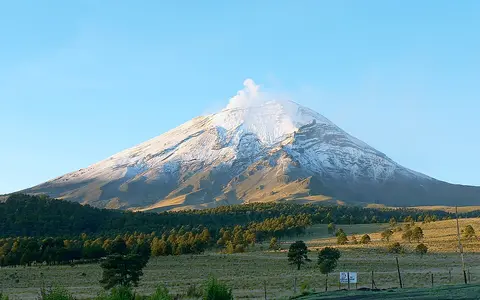
Eastern Mexico’s volcanic belt: a high volcano with a summit crater, glaciated upper cone, and radial headwaters.
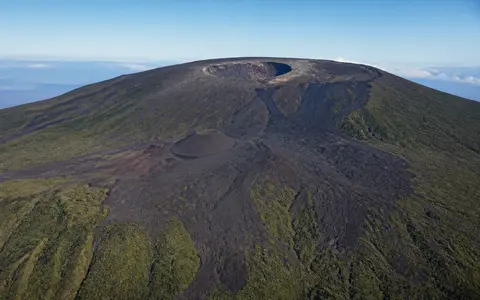
Southeastern Réunion: the Enclos Fouqué, steep Grandes Pentes, and a coastal lava apron.
Central Mexico’s volcanic belt: a steep volcanic cone with a summit crater and ash and lava deposits.
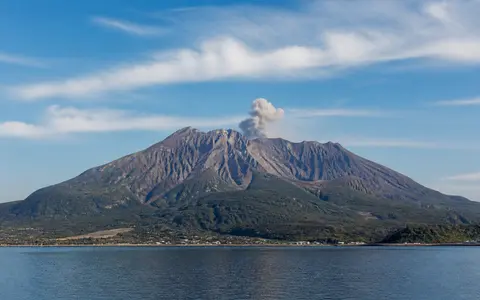
Southern Kyushu, Aira caldera setting: a composite volcano with overlapping summit cones and lava-built shores.
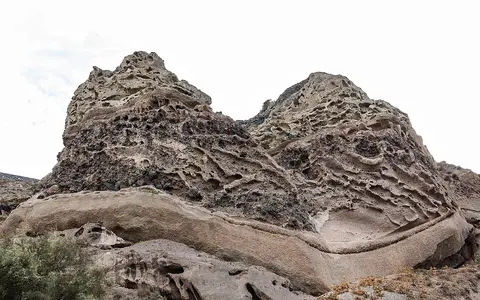
Aegean arc: a flooded caldera with island-ring cliffs, pumice deposits, and central volcanic islands.
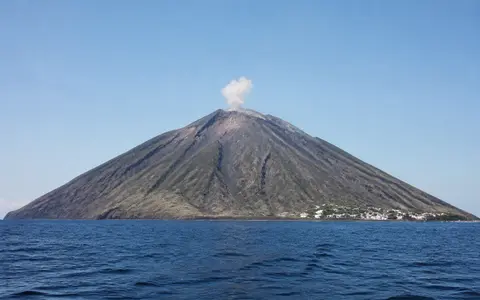
A steep Tyrrhenian island volcano in the Aeolian arc, with a crater terrace, Sciara del Fuoco collapse flank, and submarine relief.
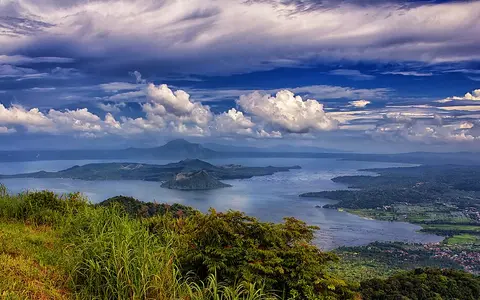
Southwestern Luzon: a lake-filled caldera, Volcano Island cones and craters, and Pansipit River drainage in a volcanic-arc setting.
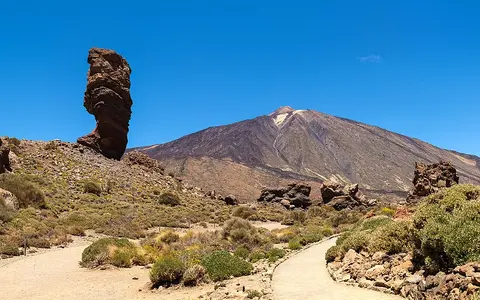
Central Tenerife: a summit cone, Pico Viejo complex, and lava fields in the Las Cañadas caldera setting.
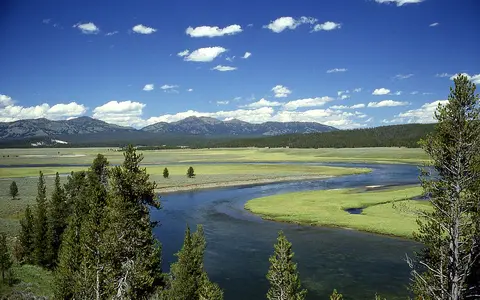
A Rocky Mountain high-plateau caldera with resurgent domes, rhyolite lava flows, and hydrothermal terrain along a hotspot track.
Images are stored locally or hosted by the credited provider. Creator, source, and usage details for each centre-cropped thumbnail are listed below.