Reference Edition
Field Reference for Natural PlacesGeography Atlas
Volcano Record

Mount Fuji

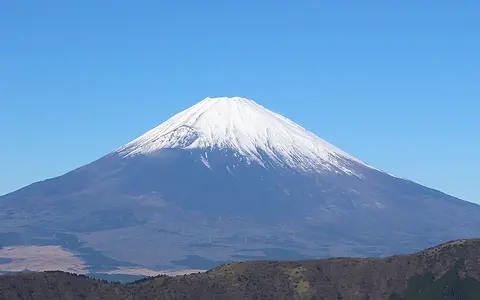
Mount Fuji is a Japanese stratovolcano whose broad, symmetrical cone rises from layered lava and ash deposits within an island-arc volcanic setting.

Why This Record Matters

A clear stratovolcano profile

Mount Fuji is a useful volcano record because cone form, summit crater, flank deposits, and tectonic setting are visually and geographically legible.

TypeStratovolcano

A cone built from lava, ash, and repeated eruptions.

SettingJapanese island arc

Plate-margin volcanism shapes the regional context.

LandformSymmetrical cone

Long slopes rise toward a summit crater.

MaterialsLava and ash

Layered volcanic deposits build the mountain.

Overview

What Mount Fuji is

Mount Fuji is a volcanic mountain on Honshu, Japan. Its form reflects repeated eruptions that built a tall, steep-sided cone.

The record belongs to both mountain and volcano categories because relief, cone geometry, and volcanic material are inseparable.

Cone Form

Summit crater and radial slopes

The summit crater and radial flank slopes give Fuji a classic stratovolcano form. Lava flows, ash layers, and scoria deposits shape the mountain surface.

Summit

Crater rim

The top preserves the volcanic vent area.

Flanks

Layered slopes

Lava and ash build the cone outward.

Arc

Plate-margin setting

Fuji belongs to Japan's volcanic island arc.