Reference Edition
Field Reference for Natural PlacesGeography Atlas
Volcano Record

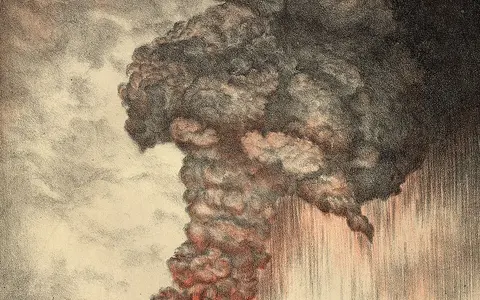
Krakatoa

Krakatoa is a volcanic island and caldera system in the Sunda Strait, shaped by explosive eruption, collapse, island remnants, and later volcanic rebuilding.

Why This Record Matters

A caldera record in an island strait

Krakatoa shows how explosive volcanism can remove, collapse, and rebuild island terrain within a plate-margin volcanic arc.

TypeCaldera volcano

A volcanic system shaped by collapse and explosive activity.

SettingSunda Strait

The volcano sits between Java and Sumatra.

LandformIsland remnants

Caldera structure and islands define the record.

MaterialsAsh and lava

Explosive deposits and new volcanic growth coexist.

Overview

What Krakatoa is

Krakatoa is a volcanic complex rather than one simple cone. Its geography includes caldera collapse, islands, volcanic deposits, and renewed cone building.

The record is useful for explaining how volcanoes can rapidly alter coastlines and island form.

Caldera

Collapse, remnants, and rebuilding

Explosive eruption and collapse created a disrupted volcanic landscape. Later activity rebuilt new volcanic land inside the same island system.

Collapse

Caldera structure

Large-scale failure reshaped the volcano.

Islands

Remnant terrain

Fragments preserve the older volcanic system.

Arc

Sunda setting

The volcano belongs to an active island arc.