Reference Edition
Field Reference for Natural PlacesGeography Atlas
Volcano Record

Mount Vesuvius

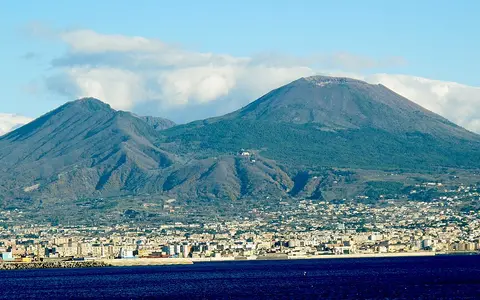
Mount Vesuvius is a Campanian stratovolcano above the Bay of Naples, shaped by cone growth, older caldera structure, ash deposits, and explosive eruption material.

Why This Record Matters

A cone inside an older volcanic structure

Vesuvius is a useful volcano record because its modern cone, caldera rim, and pyroclastic deposits are tightly linked.

TypeStratovolcano

A cone built from lava and explosive material.

SettingBay of Naples

The volcano rises in a densely volcanic coastal region.

LandformCone and caldera

The current cone sits within older volcanic structure.

MaterialsAsh and pumice

Explosive deposits shape surrounding terrain.

Overview

What Mount Vesuvius is

Mount Vesuvius is a stratovolcano in southern Italy. Its geography includes a central cone, remnants of older volcanic structure, and slopes built by eruptive deposits.

The record is important for understanding explosive volcano landforms near coastal lowlands.

Structure

Cone, caldera rim, and deposits

The volcano's form combines a younger cone with older structural margins. Ash, pumice, and pyroclastic deposits record explosive behavior.

Cone

Central volcanic peak

The main landform rises above surrounding slopes.

Rim

Older structure

Caldera remnants frame the modern volcano.

Coast

Naples setting

The volcano is part of a coastal volcanic landscape.