Reference Edition
Field Reference for Natural PlacesGeography Atlas
Volcano Record

Mount Rainier

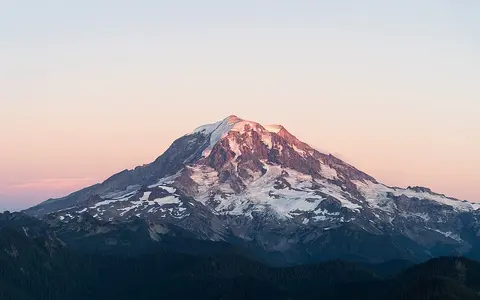
Mount Rainier is a glacier-covered Cascade stratovolcano whose volcanic cone, summit craters, ice cover, and lahar valleys form a high-relief volcanic record.

Why This Record Matters

A volcano shaped by ice and debris flows

Rainier adds a glacier-volcano profile where ice, steep slopes, loose volcanic material, and valleys create major lahar pathways.

TypeCascade stratovolcano

A tall cone in the Cascade volcanic arc.

SurfaceGlacier-covered slopes

Ice strongly shapes the mountain's visible terrain.

ProcessLahars and valleys

Volcanic debris can move through river valleys.

SettingPacific Northwest

The volcano rises above surrounding forested lowlands.

Overview

What Mount Rainier is

Mount Rainier is a large stratovolcano in Washington's Cascade Range. It combines volcanic relief with extensive glacier cover.

The record is physically distinctive because volcanic slopes, ice, meltwater, and loose deposits interact across steep terrain.

Ice and Volcano

Glaciers, crater area, and lahar routes

Glaciers mantle parts of the cone, while valleys radiating from the mountain can carry debris flows. This makes Rainier both a volcanic and cryospheric landform record.

Summit

Crater area

Upper volcanic structure sits beneath and beside ice.

Flanks

Glacier-carved slopes

Ice and volcanic material share the mountain surface.

Valleys

Lahar corridors

Debris flows follow drainage routes from the cone.