
Overview
What Angel Falls is
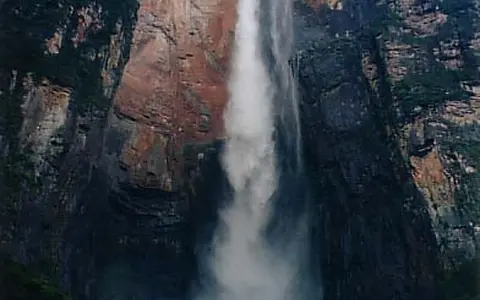
Angel Falls drops from a tepui, a steep-sided tableland with resistant sandstone cliffs. The waterfall's identity comes from extreme vertical relief and upland isolation.
Unlike broad cataracts, Angel Falls is a tall, cliff-edge waterfall whose spray and plunge-zone form depend on height and exposure.
Tepui Edge
Sandstone cliffs and high tablelands
The cliffed tepui margin creates the abrupt vertical drop. Water from the upland surface reaches the edge and falls into lower forested terrain.
Source
Tableland runoff
Rain-fed uplands supply the fall.
Drop
Long free fall
Height allows water to disperse into spray.
Basin
Orinoco link
Downstream flow belongs to the Orinoco system.
Setting
Highland isolation and vertical relief
Angel Falls is inseparable from tepui geomorphology. The waterfall records how old tableland surfaces, steep cliffs, and tropical rainfall combine in the Guiana Highlands.