
What the Rhine River is
The Rhine begins in the Alps and flows north and northwest through a sequence of mountain, lake, valley, and lowland reaches before entering the North Sea system.
Its physical geography is defined by sharp source relief, rift-valley confinement, broad floodplain sections, and a complex lower delta.
Alpine sources and rift-valley reaches
Upper Rhine flow is tied to Alpine runoff and lake storage. Downstream, the river passes through the Upper Rhine Graben, where structural lowland form helps guide the channel.
This creates a clear mountain-to-lowland record that contrasts with the longer Danube and Volga systems.
Upland and lowland confluences
Tributaries from surrounding uplands join the Rhine along its middle and lower course, adding runoff from varied terrain and climate zones.
Alpine source region
High relief and snow-influenced runoff support the upper river.
Rift-guided valley
The Upper Rhine Graben gives the river a distinct structural corridor.
North Sea delta
Lower distributaries connect the river to tidal and coastal lowlands.
Channel corridors and lowland margins
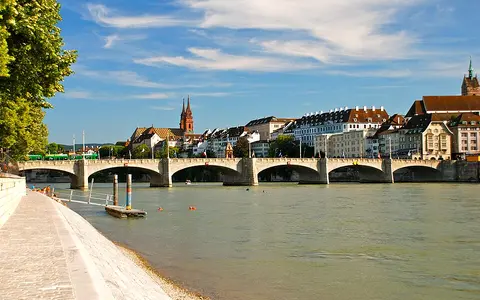
Lowland Rhine reaches include floodplains, terraces, islands, and controlled channel margins. These features show how a mountain-fed river changes as gradient declines.
The modern river is also shaped by navigation and flood-control works, but its physical pattern still follows basin structure.
Delta country near the North Sea
The lower Rhine enters a deltaic coastal zone shared with neighboring river branches. Tides, low relief, distributaries, and coastal management all influence this outlet.
This completes a short but highly varied sequence from Alpine terrain to sea-level lowlands.