
What the Indus River is
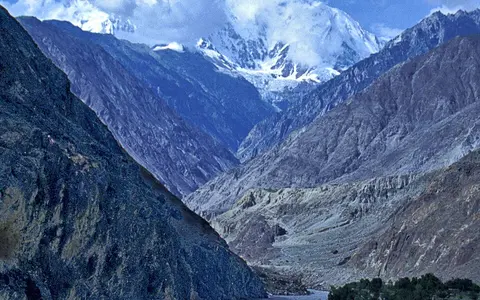
The Indus rises near high Asian mountain terrain and flows through Pakistan toward the Arabian Sea. Its basin includes steep headwaters, tributary plains, dry lowlands, and a downstream delta.
The river is important physically because its water supply comes largely from highland runoff while much of its lower course crosses arid or semi-arid country.
High relief source areas and broad plains
Upper Indus tributaries are tied to Himalayan, Karakoram, and adjacent highland terrain. Downstream, the river enters wider alluvial plains where channel belts and floodplain deposits mark repeated river movement.
This contrast gives the Indus a clear mountain-to-dryland structure.
Confluences from mountain margins
Tributaries such as the Jhelum, Chenab, Ravi, Beas, and Sutlej connect mountain and foothill runoff to the lower Indus system.
Glacier and snow influence
High mountain source regions help sustain discharge beyond local lowland rainfall.
Alluvial corridor
Floodplain belts, levees, and channel deposits define the river's lowland route.
Arabian Sea margin
The lower river enters a deltaic coastal setting shaped by flow, sediment, and tides.
Dryland flow dependence
Because much of the lower basin is dry, the Indus depends heavily on runoff generated upstream and from tributary catchments near the mountain front.
This makes the basin a useful atlas example of a major river crossing landscapes where local rainfall alone does not explain river size.
Deltaic approach to the Arabian Sea
Near the coast, the Indus transitions from a long alluvial corridor into lower delta country. River flow, sediment delivery, tides, and coastal exposure shape this outlet zone.
The delta completes the river's sequence from high mountain catchments to dryland plains and sea-facing lowlands.