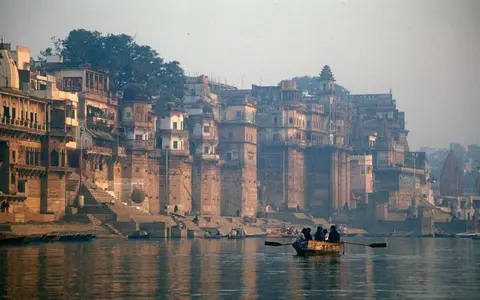

What the Ganges River is
The Ganges begins in the high Himalayas and moves onto the plains of northern India, where tributaries, sediment, and seasonal flow combine into a large lowland river system.
Its physical geography is defined by the transition from steep source terrain to a low-gradient alluvial plain, then to a downstream delta shared with neighboring river systems.
Himalayan sources and alluvial plains
Upper Ganges tributaries gather runoff from snow, ice, rainfall, and steep valleys. Once the river reaches the plain, slope decreases sharply and sediment can be stored across floodplains, levees, and shifting channels.
This mountain-to-lowland transition explains why the river is both a headwater-fed system and a broad floodplain river.
A monsoon-influenced drainage network
Tributaries from the Himalayas and from peninsular margins join the main river along its eastward course. Their timing, sediment load, and seasonal discharge shape the character of each reach.
High mountain runoff
Snow, ice, and rainfall contribute flow from steep Himalayan source areas.
Alluvial storage
The middle course spreads sediment through floodplains and channel belts.
Bay of Bengal
Downstream distributaries connect the river to deltaic and tidal lowlands.
Monsoon flow and seasonal flood pulses
The South Asian monsoon strongly affects discharge, flood timing, and sediment movement. Seasonal rainfall can raise water levels across tributaries and floodplain corridors.
Dry-season and wet-season contrasts are therefore part of the river's structure, not just a climate background.
Lowland distributaries and Bengal margins
Near the coast, the Ganges becomes part of a vast deltaic landscape where river flow, sediment, tides, and coastal processes interact.
This outlet zone completes the river's physical sequence from glaciated headwaters to alluvial plain to low coastal wetlands.